
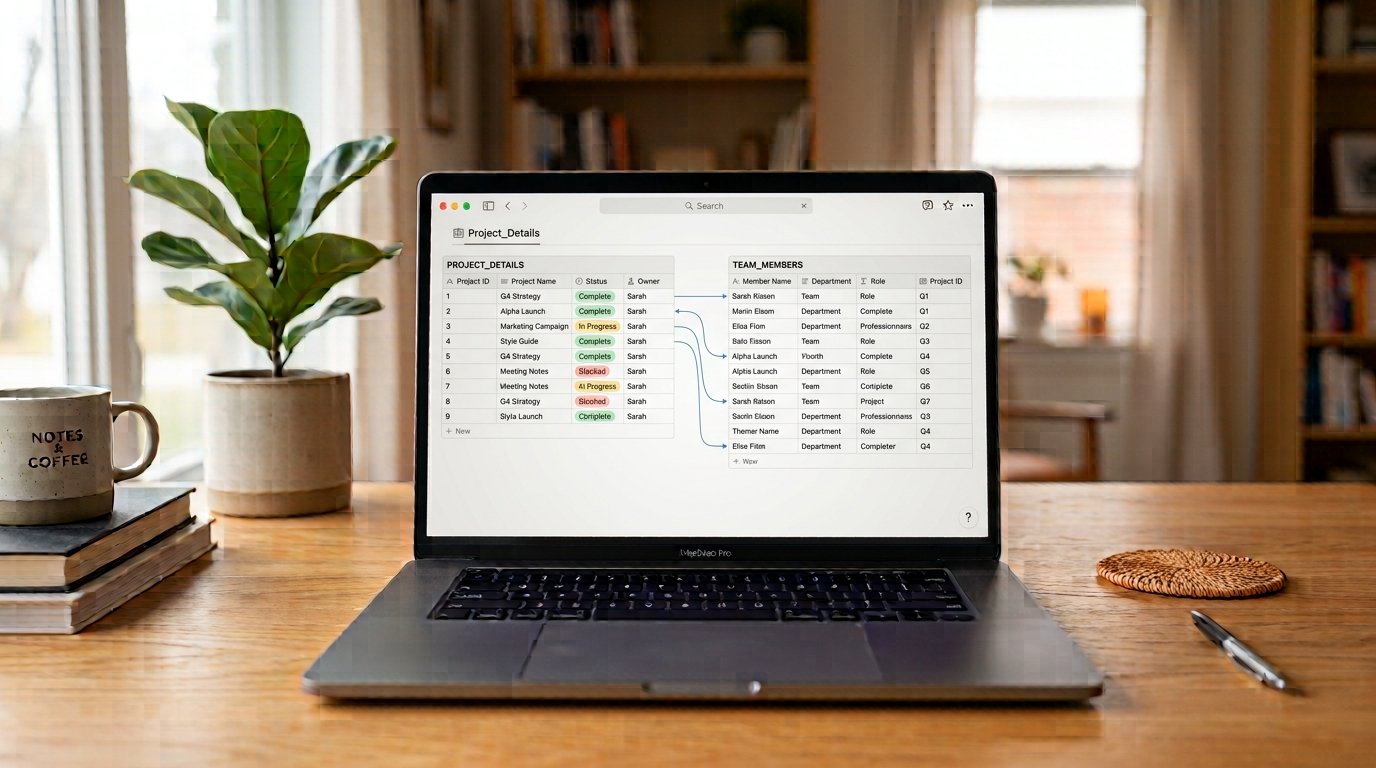
Airtable handles simple, single-table data well, but once your workflow involves deeply linked records, high row counts, or a need to connect directly to an existing database, its limits start to show. Finding the right Airtable alternatives for complex database workflows means looking past surface-level similarity and evaluating which tools actually handle relational data, scale, and technical flexibility the way your workflow demands.
This guide compares the strongest options for exactly that use case, based on how each tool handles genuinely complex, high-volume database work rather than simple spreadsheet-style tracking.
Key Takeaways
- The best Airtable alternatives for complex database workflows prioritize relational data handling, API access, and scalability over visual polish alone.
- NocoDB and Baserow are the strongest open-source, self-hostable options for teams needing full data control.
- Grist offers spreadsheet-familiar formulas with genuine relational database structure underneath.
- Smartsheet suits enterprise teams needing strong governance and reporting alongside complex data relationships.
- Self-hosted options like NocoDB and Baserow remove Airtable’s row limits entirely, since you control the underlying database.
Why Airtable Struggles with Complex Workflows
Airtable’s row limits, per-base pricing, and closed data model become real constraints once a workflow scales past simple project tracking. Teams managing tens of thousands of records, needing to connect an existing PostgreSQL or MySQL database, or requiring granular API access for custom integrations often find Airtable’s structure genuinely limiting rather than just occasionally inconvenient. This is exactly where Airtable alternatives for complex database workflows need to prove themselves — not on ease of use alone, but on how well they handle scale and relational depth.
What Actually Matters for Complex Database Work
H3: True Relational Structure
Look for genuine foreign-key-style relationships between tables, not just surface-level “linked record” fields that don’t hold up under heavy cross-referencing.
H3: API and Webhook Access
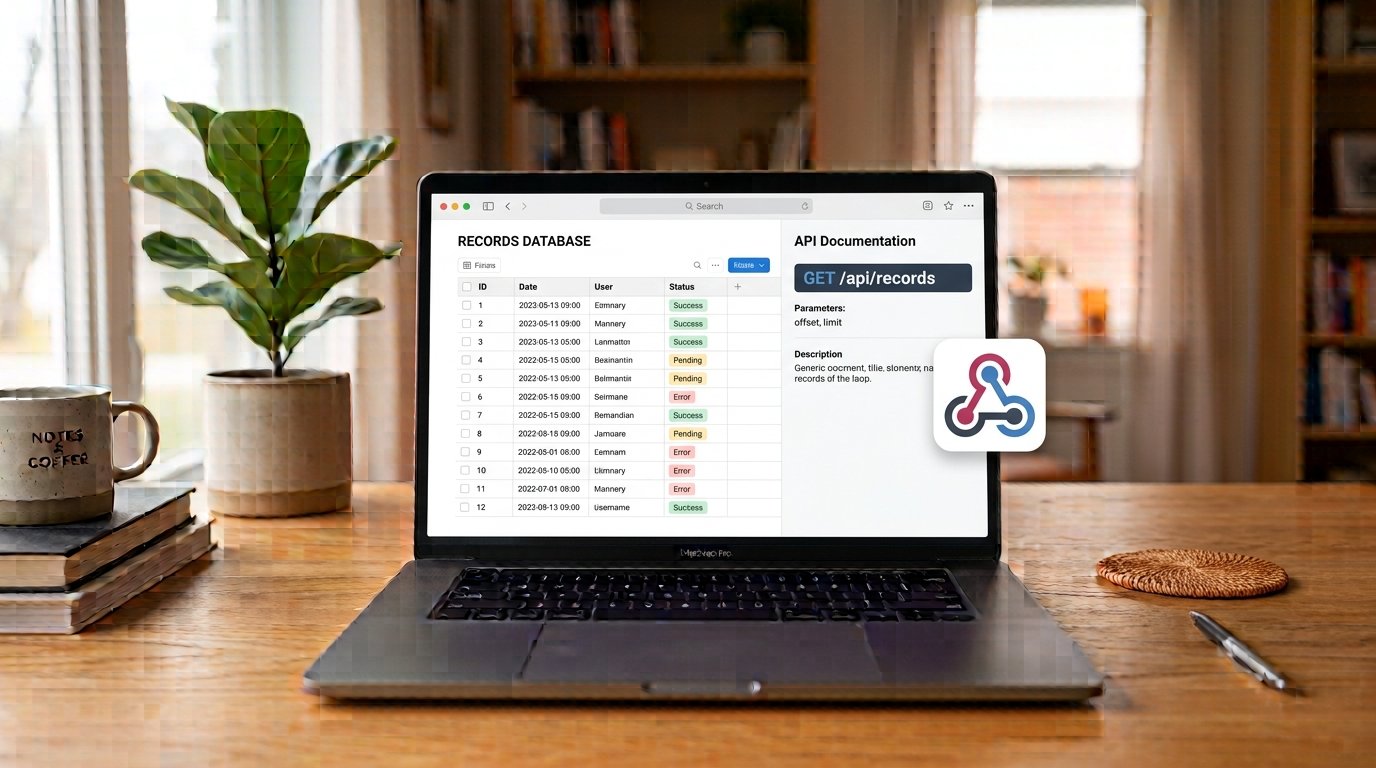
Complex workflows usually connect to other systems. A tool offering automatic REST or GraphQL APIs for every table gives developers direct programmatic access without extra middleware.
H3: Row and Record Limits
Airtable’s free and lower-tier plans cap records per base at levels that complex workflows can quickly exceed. Self-hosted alternatives typically remove this ceiling entirely.
H3: Self-Hosting Options
For workflows involving sensitive or regulated data, self-hosting isn’t a nice-to-have — it’s often a requirement. This significantly narrows the field compared to Airtable’s cloud-only model.
1. NocoDB — Best for Developer-Friendly, Self-Hosted Complexity
NocoDB stands out among Airtable alternatives for complex database workflows because it automatically exposes a REST API and a GraphQL API for every table, along with webhook support for real-time integrations. It can even connect directly to an existing PostgreSQL or MySQL database, layering a no-code interface on top for non-technical team members while developers retain full programmatic access underneath.
H3: Who NocoDB Fits Best
Teams with an existing database that need a usable front-end for non-technical staff, or developers who want full API access without building custom tooling from scratch, will get the most value from NocoDB.
2. Baserow — Best Open-Source Option with Full Data Control
Baserow provides a clean, Airtable-like interface backed by open-source code and genuine self-hosting support, including a REST API across all tables. Its scalability and custom database control make it a strong fit for teams that specifically need open-source freedom without giving up relational structure.
H3: Who Baserow Fits Best
Organizations that want the closest visual and functional experience to Airtable, but with the option to self-host and avoid per-base row limits entirely, should prioritize Baserow.
3. Grist — Best for Formula-Heavy Relational Work
Grist combines a spreadsheet-familiar formula system with a genuine relational database underneath, and it’s open-source with no row limit when self-hosted. This makes it a strong choice for workflows that rely heavily on complex calculations across linked tables, rather than just storing and displaying data.
H3: Who Grist Fits Best
Teams whose complexity comes primarily from formulas and calculations spanning multiple linked tables — rather than sheer data volume — will find Grist’s spreadsheet-like formula engine particularly well suited to that work.

4. Smartsheet — Best for Enterprise Governance and Reporting
Smartsheet leans toward enterprise-scale project operations, offering stronger governance, permissions, and reporting than most Airtable alternatives, though it’s less database-native in its underlying structure. For organizations where complex workflows also mean complex approval chains, audit requirements, and cross-team reporting, Smartsheet’s project management heritage brings capabilities Airtable was never built for.
H3: Who Smartsheet Fits Best
Enterprise teams whose “complexity” includes organizational governance, multi-level approvals, and detailed reporting — not just data relationships — will benefit most from Smartsheet’s project-operations-first design.
5. Tadabase — Best for Portals and Custom Business Apps
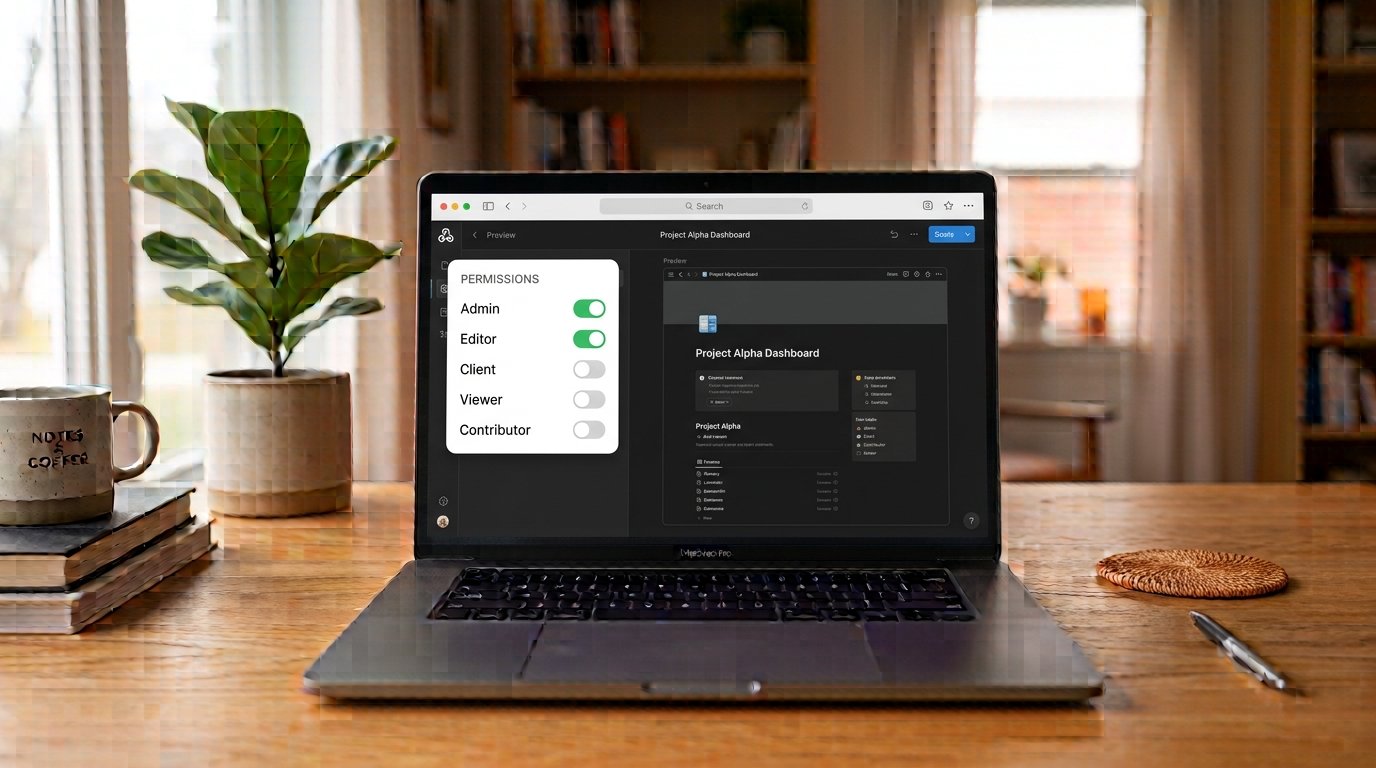
For workflows that need to expose data to external users through a custom-branded interface, Tadabase adds granular permissions, automations, and a genuine app-building layer on top of its database core. This is a specific but common complex-workflow need — internal tools or client portals — that most Airtable alternatives don’t address directly.
H3: Who Tadabase Fits Best
Teams building internal business applications or client-facing portals on top of structured data, where external users need controlled, permissioned access, should evaluate Tadabase specifically for that use case.
Comparing the Five at a Glance
H3: Best for Developers
NocoDB, thanks to its automatic API generation and ability to connect to an existing database.
H3: Best for Open-Source Purists
Baserow and NocoDB both qualify, with Baserow offering the closer visual match to Airtable’s original interface.
H3: Best for Formula-Driven Complexity
Grist, given its spreadsheet-native formula engine layered over genuine relational structure.
H3: Best for Enterprise Governance
Smartsheet, for organizations where reporting and approval chains matter as much as the underlying data structure.
H3: Best for External-Facing Apps
Tadabase, for teams that need to expose structured data through a permissioned, branded interface to people outside the core team.
How to Choose the Right One for Your Workflow
- Identify what “complex” actually means for your use case — high row counts, formula-heavy calculations, governance requirements, or external-facing portals all point to different tools.
- Check self-hosting requirements — if data sovereignty matters, this immediately narrows your options to NocoDB, Baserow, or Grist.
- Evaluate API needs — if you’re planning custom integrations, prioritize tools with automatic, well-documented API generation.
- Test with a real subset of your data — migrate a genuine, moderately complex slice of your actual workflow before committing to a full migration.
Common Mistakes to Avoid
- Choosing based on visual similarity to Airtable alone — a familiar interface doesn’t guarantee the underlying data model matches your needs.
- Ignoring row and record limits on cloud-hosted plans — these can reintroduce the exact constraint you were trying to escape.
- Underestimating self-hosting maintenance — open-source tools shift backup, security, and update responsibility onto your own team.
- Skipping a real-data test migration — theoretical feature lists don’t always reveal practical friction points until you’re working with your actual records.
Conclusion
The right choice among Airtable alternatives for complex database workflows depends on which specific type of complexity you’re dealing with. NocoDB and Baserow offer genuine open-source control and API depth for developer-driven workflows. Grist handles formula-heavy relational work with a familiar spreadsheet feel. Smartsheet brings enterprise governance to the table. And Tadabase solves the specific challenge of exposing structured data through external-facing portals. Match the tool to your actual bottleneck, not just to Airtable’s general feature list, and the migration becomes a genuine upgrade rather than a lateral move.
FAQs
What is the best open-source Airtable alternative for complex workflows? NocoDB and Baserow are both strong open-source options, with NocoDB standing out for its automatic API generation and ability to connect to an existing database.
Do Airtable alternatives remove row and record limits? Self-hosted options like NocoDB, Baserow, and Grist typically remove Airtable’s per-base row limits entirely, since you control the underlying database infrastructure.
Which Airtable alternative is best for connecting to an existing database? NocoDB is specifically designed to layer a no-code interface on top of an existing PostgreSQL or MySQL database, making it the strongest choice for that use case.
Is Smartsheet a good Airtable alternative for complex workflows? Yes, particularly for enterprise teams needing strong governance, permissions, and reporting alongside their data, though it’s less database-native than tools like NocoDB or Baserow.
Can I build a client portal with an Airtable alternative? Yes, tools like Tadabase are specifically built to expose structured data through a permissioned, branded interface for external users, which Airtable itself doesn’t natively support.
